







16- November-2026:
The National Tribal Literary Festival, which concluded on 13 November ahead of Janjatiya Gaurav Diwas, examined how tribal stories, songs and oral traditions can enrich multilingual education. The Ministry of Tribal Affairs reported representation from 27 languages, including 23 tribal languages. State education departments should turn that discussion into classroom materials designed with communities and used in ordinary lessons.
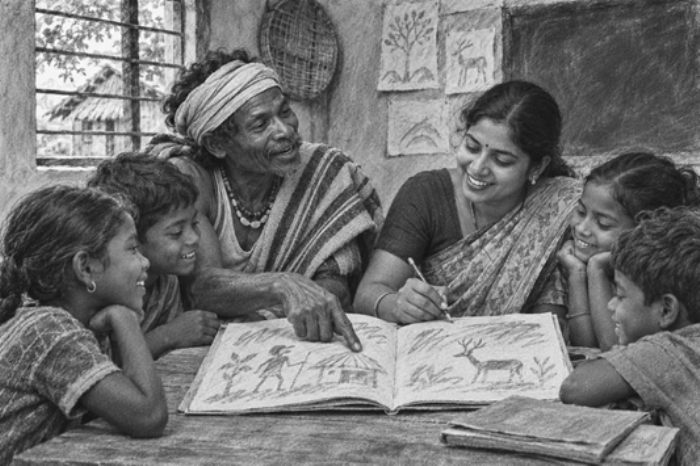
A child can know a great deal about local plants, seasons and community life while still learning the language of the textbook. A story told first in a familiar language can give the teacher a way to draw out that knowledge and then introduce new vocabulary. The approach needs materials a teacher can use easily, along with a plan for developing fluency in the wider language of instruction.
State curriculum bodies should work with local educators, writers and storytellers to commission short bilingual stories and audio recordings for the early grades. Communities should choose which stories may be shared, review translations and agree how contributors are credited and paid. Teacher guides should show how to use the material to teach a lesson, including how to help pupils retell it in both languages.
Districts should pilot the material with a few language communities and observe whether children participate, understand the lesson and gain confidence in both languages over the year. That feedback should inform teacher training and the next round of materials. A festival can put languages in the public eye. Regular use in school gives children a reason to keep speaking and reading them.